

Find us on Instagram


Join our subscribers list to get the latest news, updates and special offers.
2026 AI Trends Reshaping Experiential Marketing
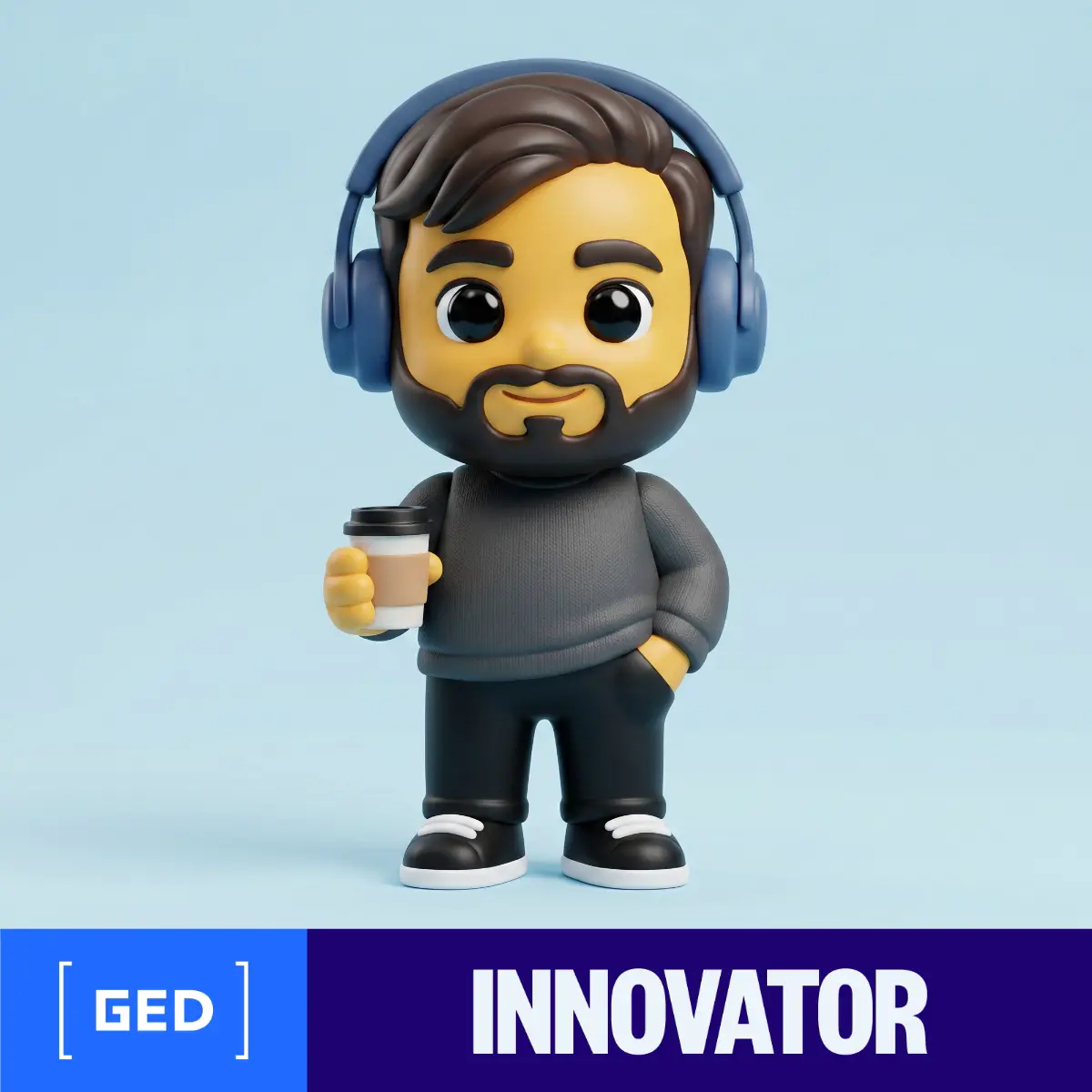
2026 AI Trends Reshaping Experiential Marketing
Every year the events industry declares "this is the year of AI." 2026 is the first year that's actually true on the ground, not just in keynote decks. The technology moved from a novelty add-on to the thing brands are budgeting around first, and the data backs it up: the American Marketing Association's 2026 Future Trends report, drawing on input from 30+ marketing professionals, named AI-driven personalization as the trend that will define the next five to ten years of retail and event activations.
Here's what's actually driving experiential marketing this year, and how we're seeing it show up inside real activations.
1. Personalization moved from "segment" to "individual"
Traditional sampling and demo activations convert at roughly 10-15%. Early adopters running AI-driven sampling — matching individual attendees to relevant products or content in real time using registration data, behavioral history, and on-site engagement signals — are reporting 25-40% conversion rates. That's not a marginal lift, it's a different category of result, and it's why "one-size-fits-one" has become the operating assumption for 2026 activation design rather than an aspirational add-on.
2. Generative content is the new photo booth
Content creation at events isn't optional anymore. 98% of consumers create digital or social content at experiences and events, and 96% of Millennials share photos and videos from them online. That user-generated content earns 28% higher engagement than standard branded posts, and attendees tell an average of 17 other people about the experience afterward. The brands winning in 2026 aren't just capturing a photo, they're generating something worth sharing.
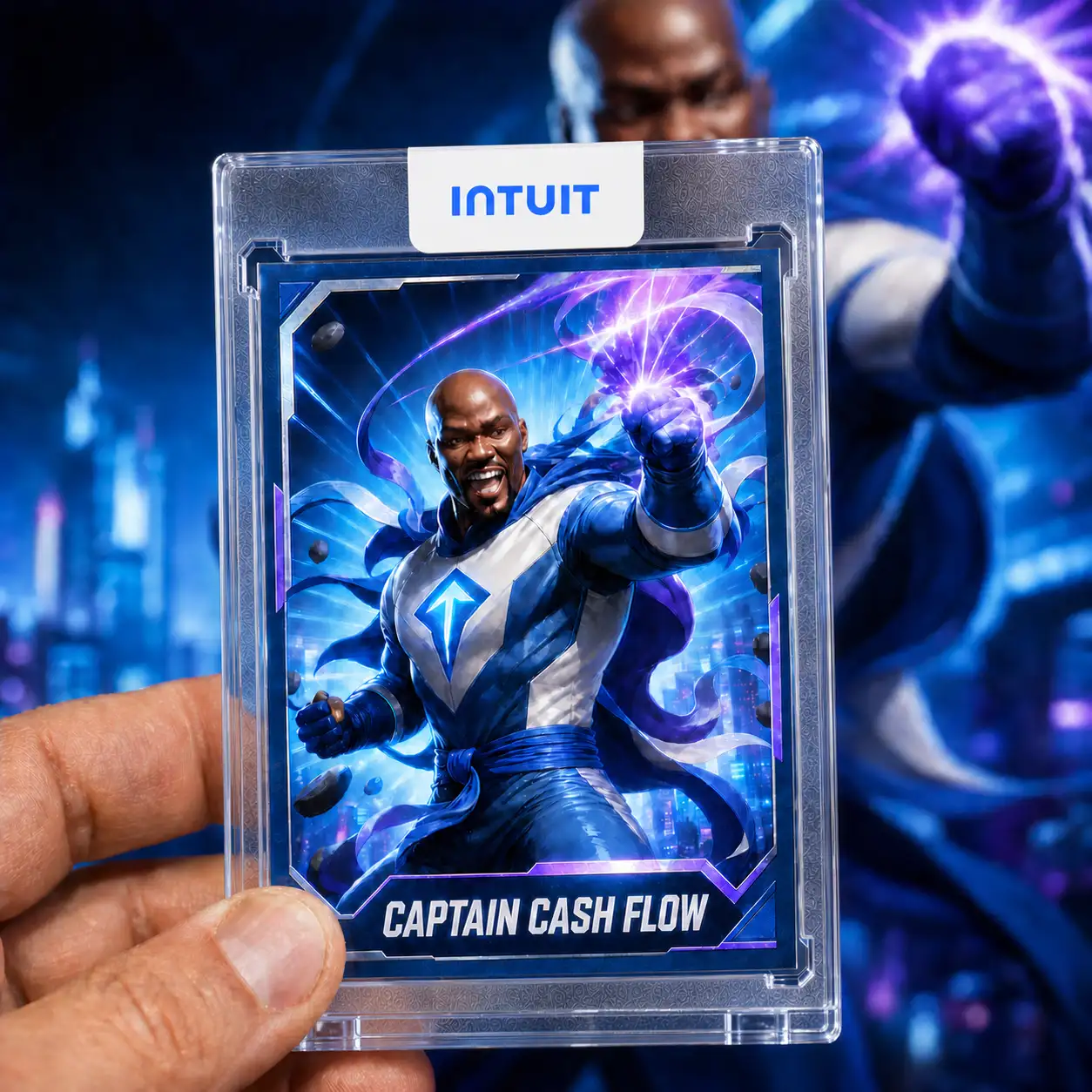
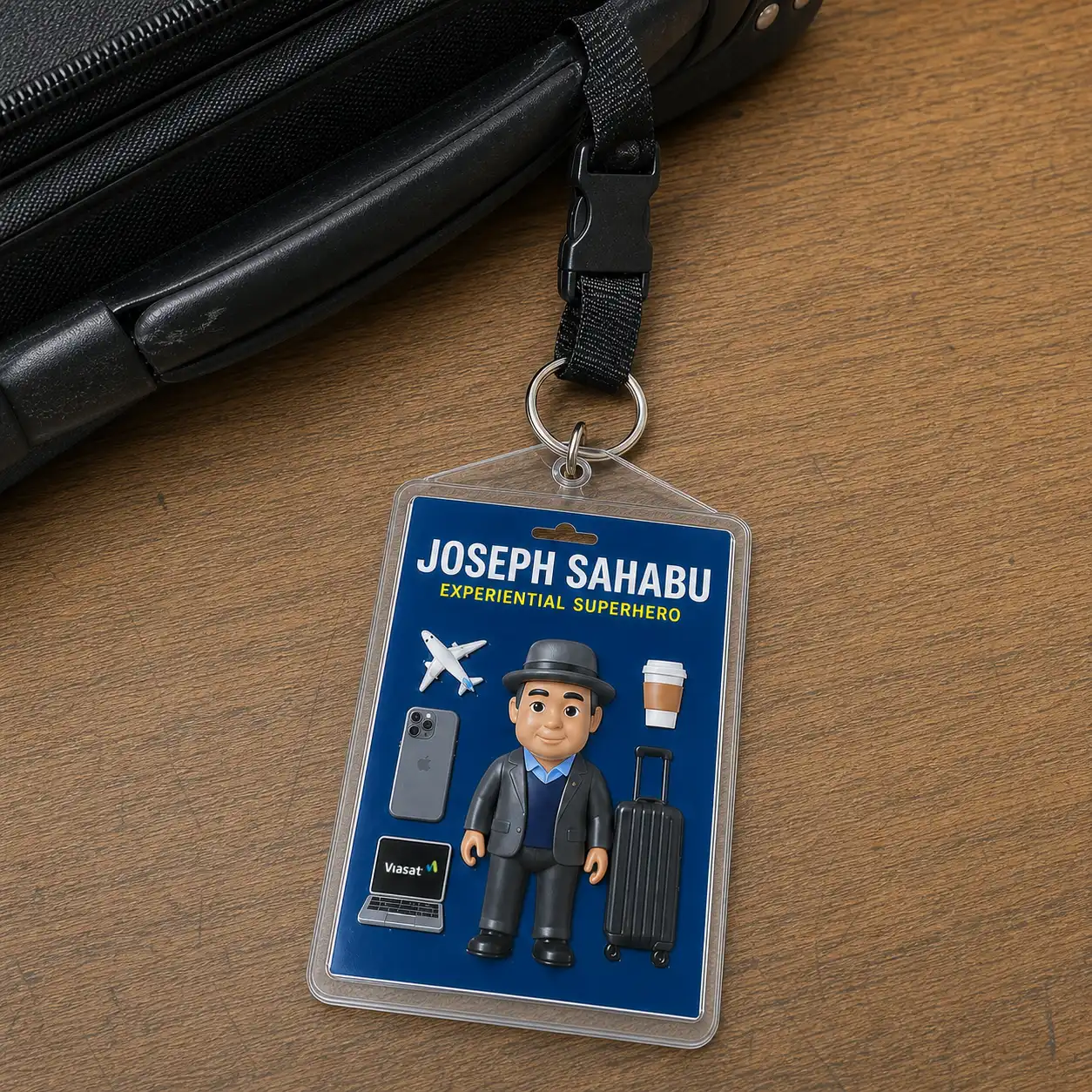
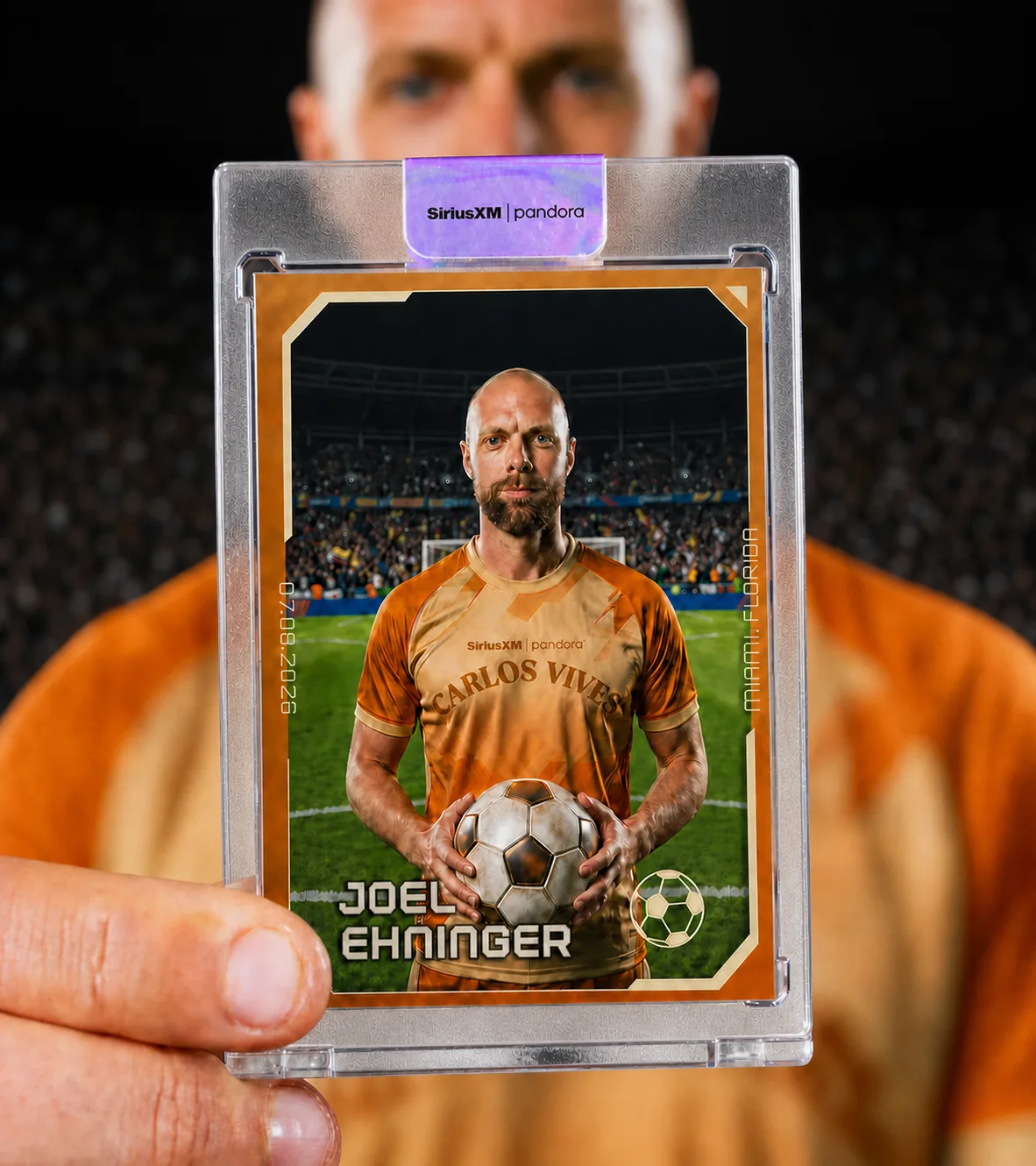
Our AI Trading Card Photo Booth is a direct answer to this trend: guests become the hero of their own AI-generated collectible card, complete with personalized stats and a branded, physical takeaway that doubles as social content the moment it prints.
3. Generative video, not just generative stills
Still-image AI filters are table stakes now — on a busy trade show floor, every third booth is running the same one. Generative AI applied to motion is materially harder to execute, which is exactly why it stands out, and it earns more feed time per guest than a static image, lifting content volume per activation.

Our AI Stories video booth was built specifically for this: guests step into frame for a few seconds, pick a style, and walk away with a stylized branded clip ready to post — no editing required.
4. The physical keepsake didn't go away, it got smarter
About 28% of marketers plan to incorporate digital photo booths into upcoming campaigns, and AI-powered photo booths can now process roughly 1,000 images in five minutes, removing the manual bottleneck that used to cap throughput at live events. But the highest-performing formats in 2026 aren't purely digital — they pair AI with a physical object attendees actually carry around.
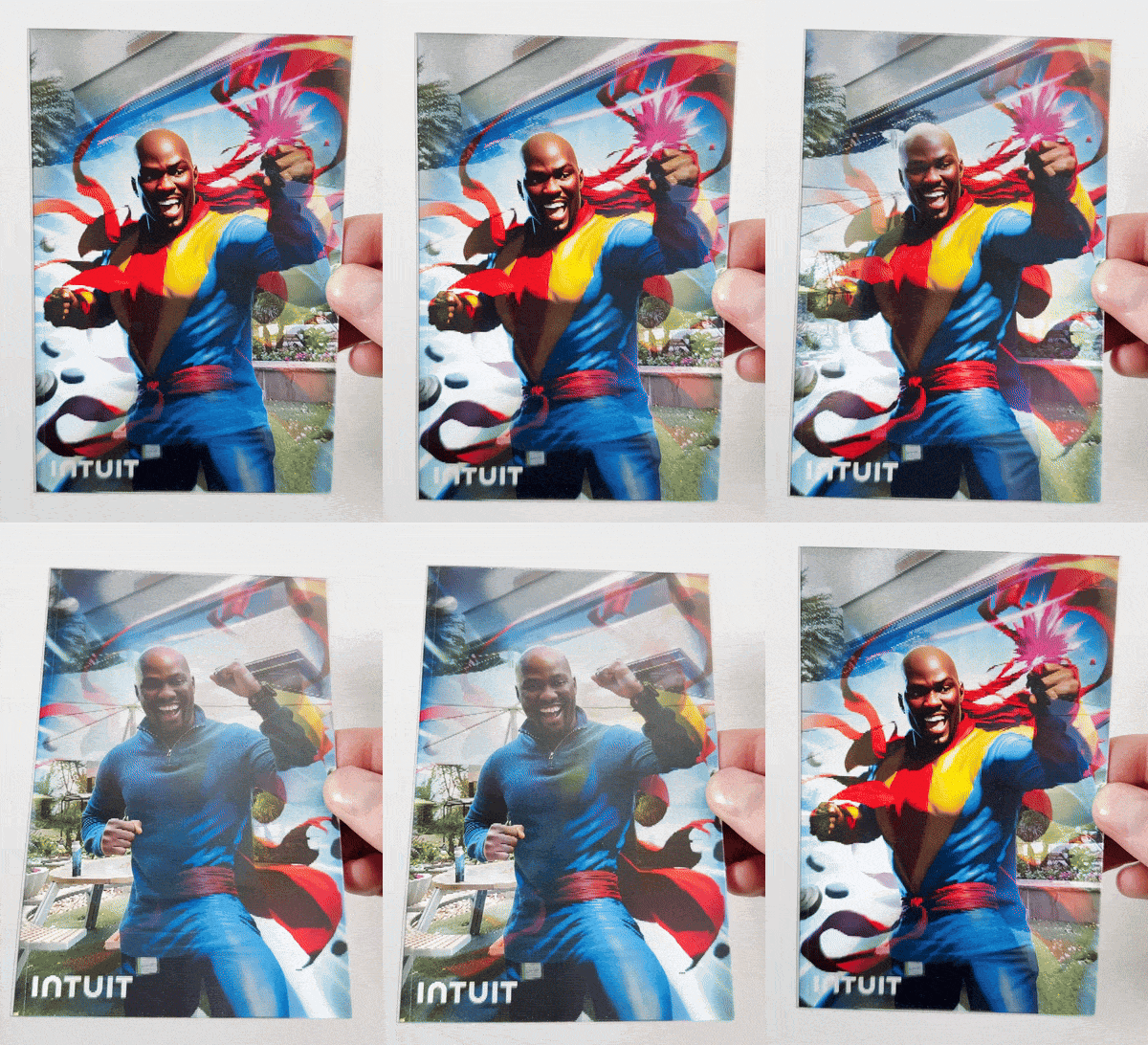
Lenticular prints reportedly outperform flat prints on booth-to-lead conversion for exactly this reason — the effect demands to be shown to someone else. Every keepsake becomes a physical ad the guest hands to people who weren't even at the event. Our AI Flip Print activation pairs that format with an AI-generated portrait, so the object itself is the AI story, not just the capture process behind it.
5. Measurement is shifting from attendance to behavior
Well-designed experiential campaigns are already delivering returns of 3:1 to 5:1 on spend, with top performers hitting up to 10:1 ROI and generating 40% more qualified leads than traditional marketing. What's changing in 2026 is how that gets tracked: brands are moving from manual, days-later follow-up to instant digital registration and lead routing, with AI scoring prospects in real time based on dwell time and interaction patterns. The live moment now feeds directly into CRM and retargeting systems instead of sitting in a spreadsheet until the following week.
What this means for your 2026 activation plan
- Budget for content generation, not just capture. The ROI is in what guests post afterward, not just what happens at the booth.
- Pick one AI format and make it excellent rather than bolting AI onto every touchpoint. A single standout generative moment travels further on social than five mediocre ones.
- Give the AI moment a physical form when you can. Digital-only content competes with everything else in a feed; a printed, personalized object gets carried around a venue and photographed again.
- Connect the activation to your CRM before event day, not after. Real-time lead scoring only works if the data pipeline exists when the booth opens.
AI in experiential marketing stopped being about the technology and started being about the specific, personal thing a guest walks away with. That's the throughline across every trend above, and it's the design brief behind everything in our own Activation Library.
latest news
Related Post




%20Instagram%20Art%20Mural%20At%20Event.gif)

Keep Connetcted


© 2026 Post Pop Studios LLC
All Rights Reserved
