

Find us on Instagram


Join our subscribers list to get the latest news, updates and special offers.
Why Trading Cards Became One of 2026's Best Event Activation Formats
August 11, 2026
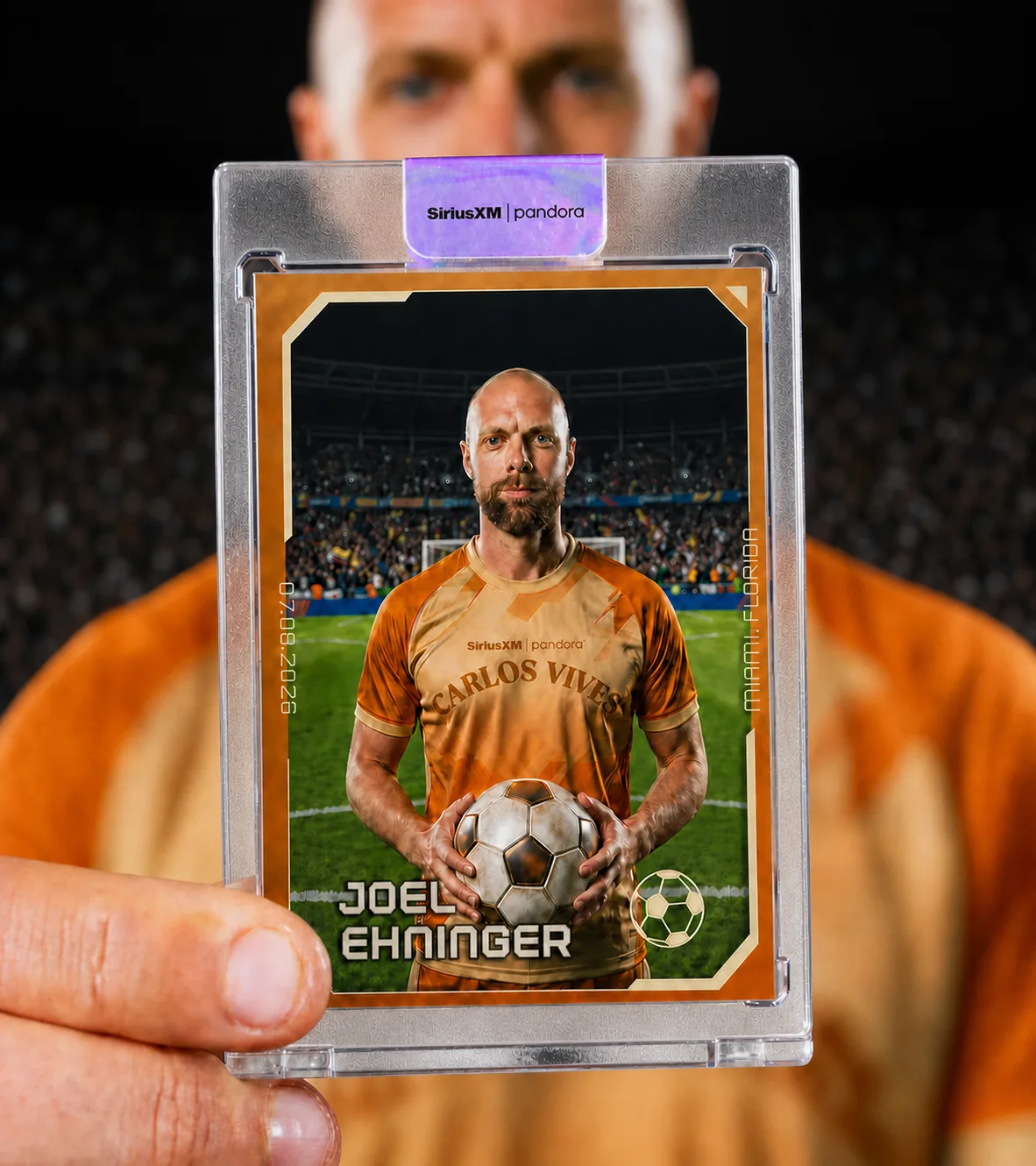
Why Trading Cards Became One of 2026's Best Experiential Activation Formats For Events
The trading card market isn't a nostalgia play anymore. Industry forecasts put the global trading card market at roughly $20.7 billion in 2026, on a growth curve expected to keep climbing through the end of the decade, with grading services alone processing tens of millions of cards a year at this point. That's the backdrop event marketers are borrowing from when they bring a trading card booth to an activation: guests already understand the format, already assign it value, and already know what to do with it — trade it, display it, or just keep it.

We run two versions of this format, and each solves a slightly different brief.
The AI version: speed and spectacle
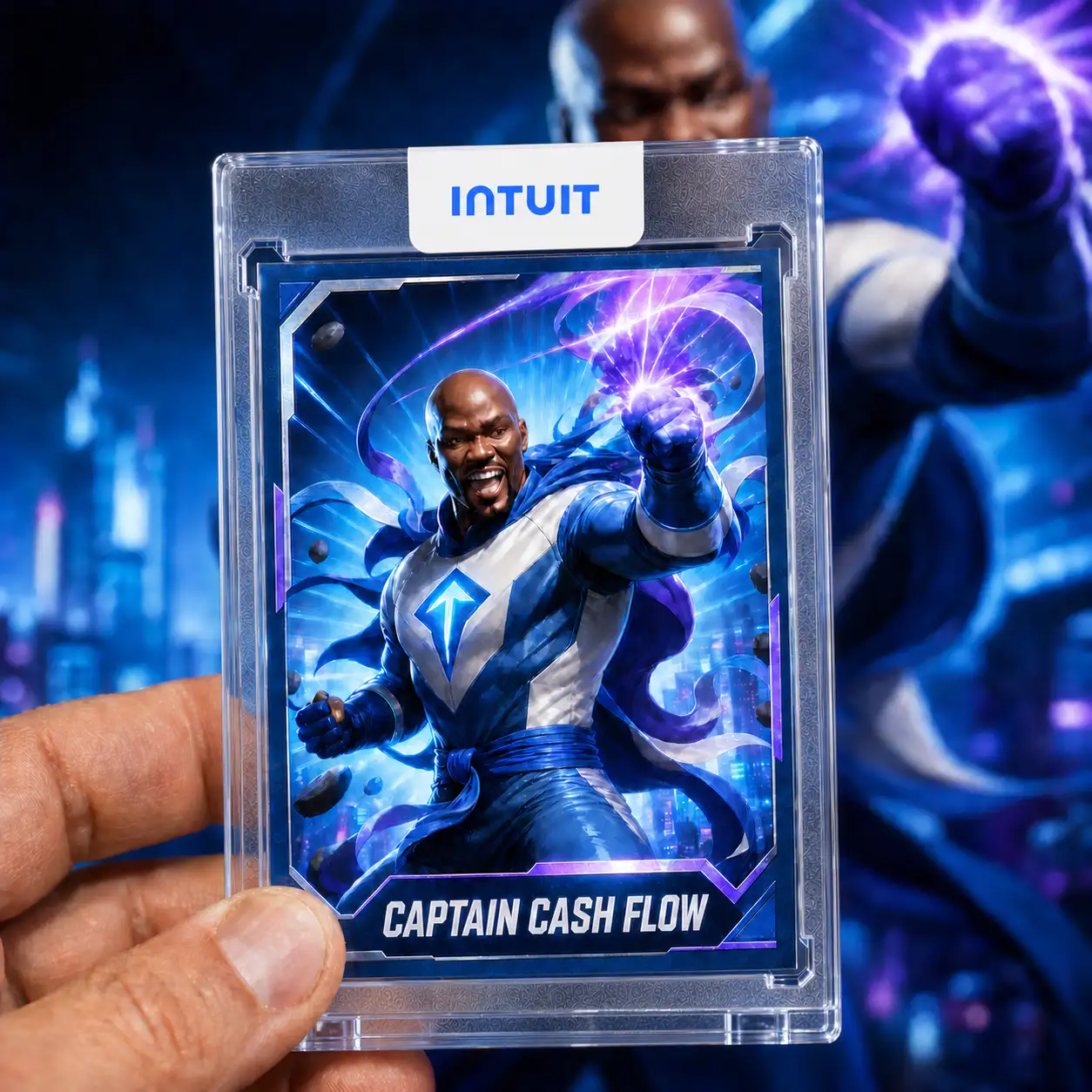
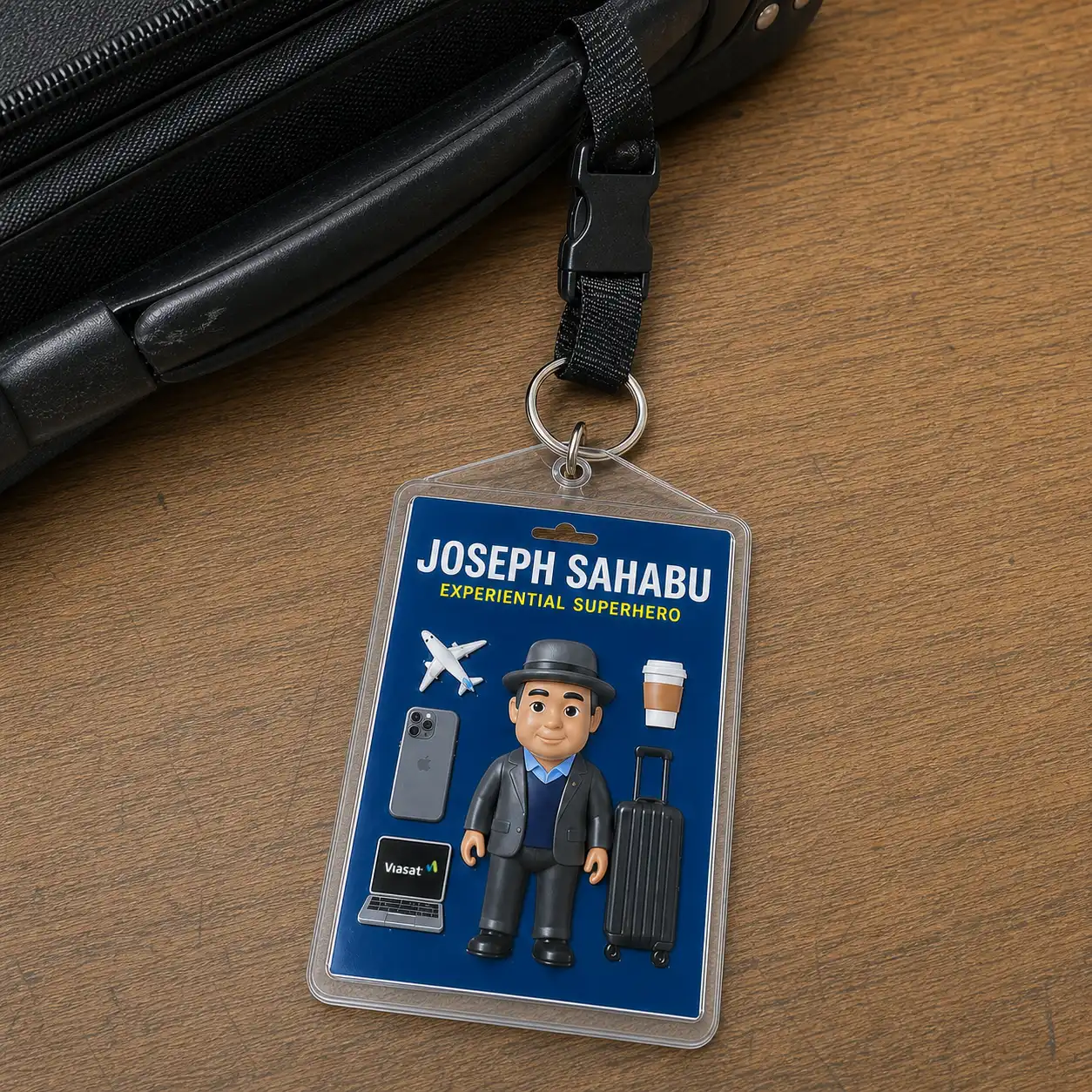
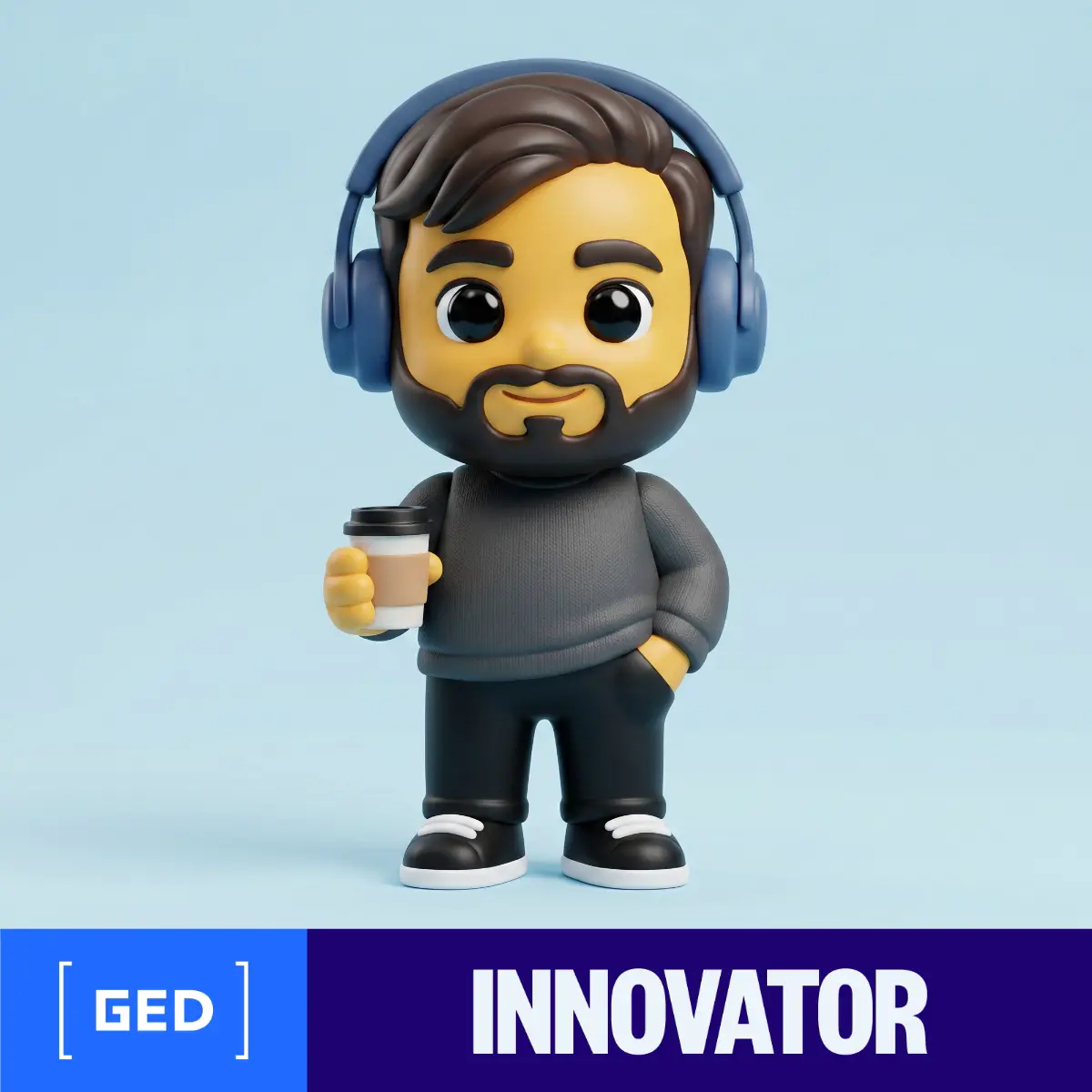
Our AI Trading Card Photo Booth pulls a guest's photo into a fully art-directed card template in real time — custom stats, team colors, foil seals, serial numbers, the works. The card prints in hand in under two minutes, with a digital copy delivered by text.
Because the output is generated rather than photographed, we can push the art direction further — illustrated styles, campaign-specific templates, rarity tiers that make some cards genuinely harder to pull than others. That scarcity mechanic does real work: collectibility gives guests a reason to come back through the line for a second or third card, and a reason to compare pulls with the person next to them.
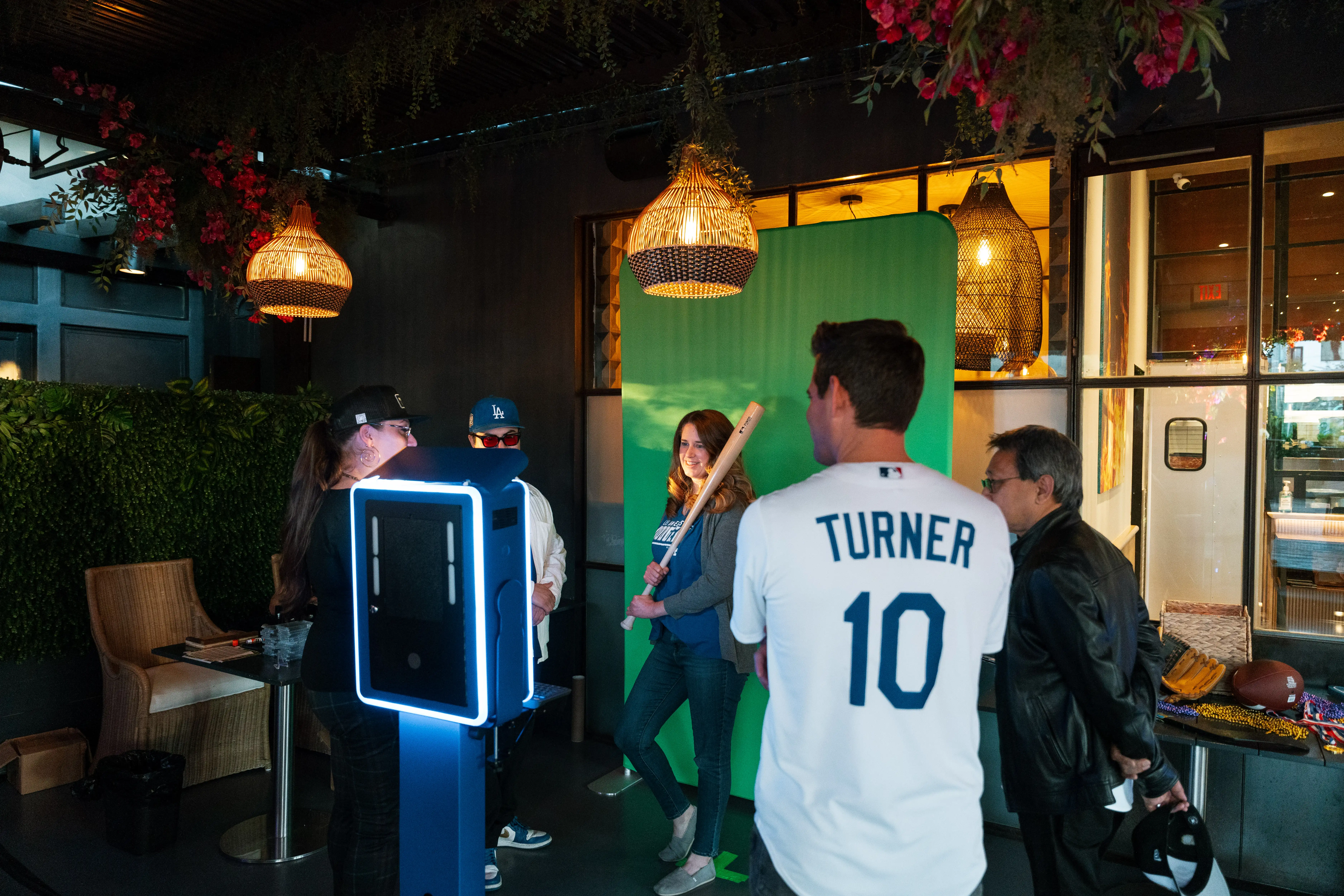
The photo-real version: for brands that want the guest's actual face
Our Custom Trading Card Photo Booth takes the same collectible format but composites the guest's real photograph rather than an AI-generated likeness, which tends to be the better fit for sports partnerships, alumni events, and any brand where "that's actually me" matters more than stylization.

Why this format earns its footprint
A branded trading card is a physical object a guest carries out of the venue, and physical objects change how a brand experience gets remembered and re-shared afterward. Broader experiential marketing data backs this up: brands running experiential activations report roughly three times more word-of-mouth awareness than brands that don't, and the large majority of event attendees say they post about experiences on social media, with Instagram as the leading platform. A card someone is proud enough of to photograph and post is doing marketing after the guest has already left your booth.

What to plan for
- Footprint: both formats run comfortably in an 8ft x 8ft to 10ft x 10ft space, so they slot into most trade show or activation floor plans without a special build.
- Throughput: sessions run roughly 1 to 2 minutes per guest depending on how much personalization you want captured at the kiosk.
- Branding depth: both the card front and reverse are fully art-directable, so sponsor lockups, stat fields, and template styles can all match your campaign.
If your event has any kind of team, fandom, or collector culture attached to it — sports, gaming, alumni, retail loyalty — a trading card booth gives guests a reason to keep circulating your brand in their pocket long after the event ends. Browse the rest of our Activation Library for more formats built around the same idea: a takeaway worth keeping.
latest news
Related Post




%20Instagram%20Art%20Mural%20At%20Event.gif)

Keep Connetcted


© 2026 Post Pop Studios LLC
All Rights Reserved
